HEALING THE JUSTICE SYSTEM FROM THE INSIDE OUT
Direct services and training where the trauma is heaviest.
For 25 years, MBA has brought trauma-informed mindfulness directly inside juvenile halls and detention facilities — working with incarcerated youth and adults, and training the correctional and probation staff inside these systems.
WHAT WE’RE FACING
The justice system is built on policies, protocols, and pressures that leave incarcerated people, and the professionals who work in these systems, without the support they need. Trauma compounds across generations — 52% of youth in the justice system have four or more adverse childhood experiences, and children with an incarcerated parent average nearly five times the ACE exposure of their peers. For correctional officers, probation staff, and clinicians, the weight of this environment produces some of the highest rates of burnout, secondary trauma, and early mortality of any profession.
We believe that wellbeing is a right, not a privilege.
Refined over 25 years and co-created with leading voices in contemplative science and trauma treatment, our curriculum moves people along a continuum: from establishing safety, to building regulation skills, to recognizing their own inherent worth, to embodying transformation in daily life, and ultimately to teaching and supporting others.
Our Direct Service Work

For Incarcerated Youth
Our sessions with youth in juvenile detention facilities combine the practical — breathwork, emotional vocabulary, mindful communication — with the relational work of building trust with young people whose experience of adults has often been one of harm or absence. The goal is for each participant to leave with mindfulness practices they can return to long after we leave the room.
Read More

For Incarcerated Adults
Our work with incarcerated adults supports transformation in the settings where it is least expected and most needed — state prisons and county jails across California. The work meets adults where they are: with longer histories, compounded trauma, and a system that rarely offers anything resembling a space for inner change. What it produces is the capacity to choose differently — and the internal skills that translate directly into safer communities after release.
Read More
WHAT THIS WORK MAKES POSSIBLE

Healing in the hardest places
Trauma-informed practice that gives incarcerated youth and adults real tools to process what they carry.

Nervous Sytem Regulation Under Pressure
Skills to recognize triggers and respond rather than react — in environments where that capacity changes outcomes.
.

A Foundation for What Comes Next
Self-awareness and resilience that participants carry beyond release.
How to Partner With Us?

STEP 1
Fill out an INQUIRY
Tell us why you want to work with Mind Body Awareness Project.

STEP 2
Have a Conversation
We’ll schedule a call and discuss the problems you are looking to solve.

STEP 3
Build a Program Together
We’ll design programming that fits your facility and the people in it.
TRAINING FOR THE STAFF INSIDE
Direct service is one part of MBA’s justice work. The other is training the correctional officers, probation staff, clinicians, court professionals, and law enforcement who spend every day inside these systems — in the same trauma-informed practices we bring to the people in their care.
We train staff to manage the effects of chronic stress and secondary trauma, improve communication with the populations they serve, de-escalate conflict, and build the kind of team culture that can sustain this work over the long haul.
For more on MBA’s professional development offerings for correctional, clinical, and probation staff, visit our Frontline Professionals page.
The EvidencE
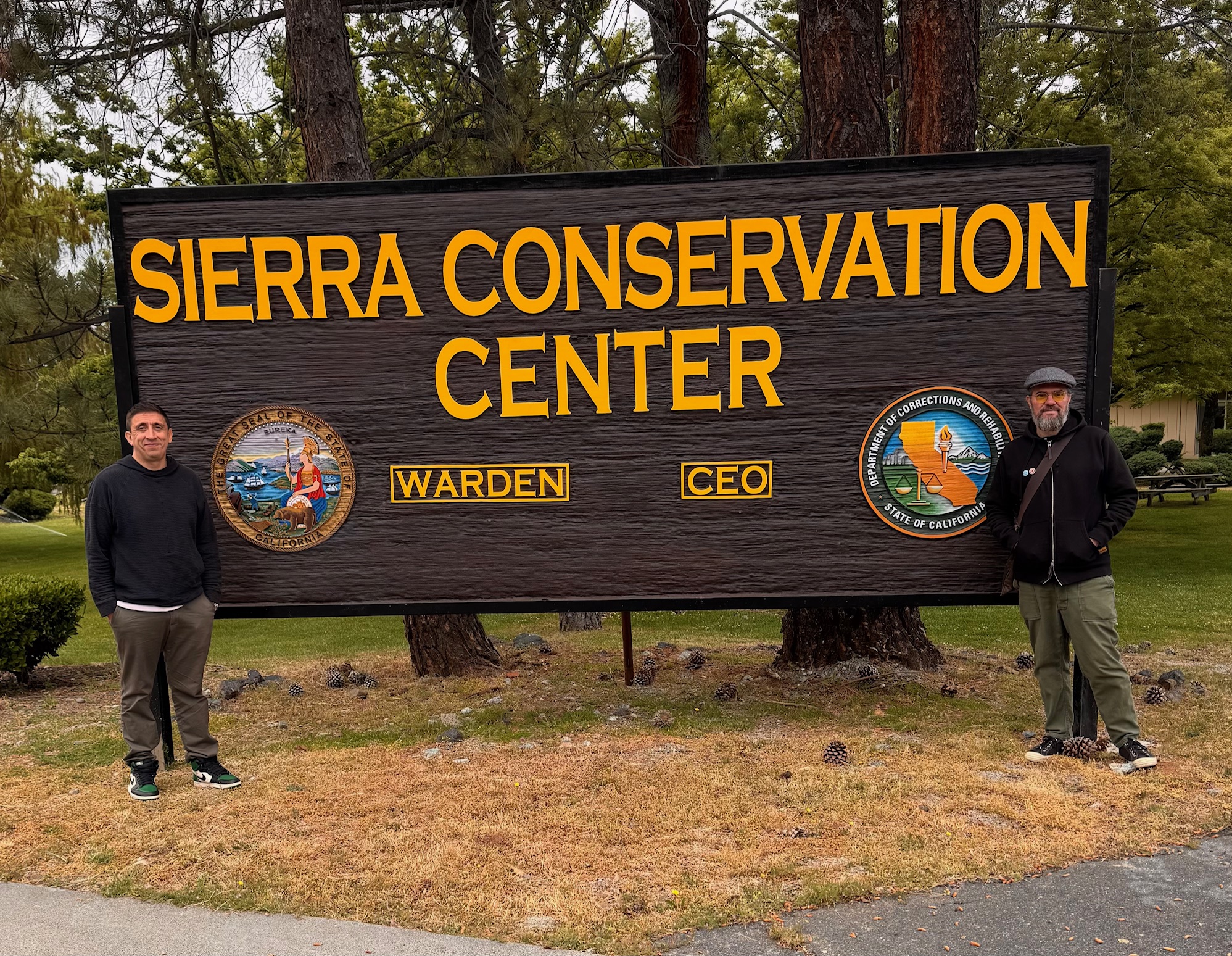
Recent evaluation data from MBA’s 2025 cohort at Sierra Conservation Center showed